







Search Results for: 18 mesh
Exploring Aceh Gayo Star Town 18-mesh Coffee Beans: Flavor and Origin Background of Medium-Roast Pour-Over
In the Aceh province of Sumatra, Indonesia, there is a place called Star Town, located in the Gayo region, which produces 18-mesh coffee beans highly favored by pour-over enthusiasts. The coffee here is grown by the indigenous Gayo people in the Gayo highlands around Lake Tawar, at an altitude of about 1,300 meters, and is processed with a medium roast, displaying a complex flavor profile of pomelo aroma, fruity notes, and herbal plants, pistachio, and caramel, with a thick yet delicate mouthfeel. Front Street Coffee recommends this single-origin bean, suitable for pour-over black coffee for those seeking layers of complexity. This article will guide you through the origin story of these beans, the meaning of mesh size, and the flavor performance after roasting, from the geographical distribution of Aceh province to the details in the cup, to explore it all. [more…]
A Detailed Guide to Green Coffee Bean Grading Standards: From Screen Sizes to Altitude Grades and Country Codes
The green coffee bean grading system directly affects roasting results and coffee quality. This article systematically sorts out two mainstream grading methods: distinguishing bean size by screen mesh number, and classifying grades based on growing altitude. It also summarizes the common grading standards and codes of origins such as Kenya, Ethiopia, Colombia, Brazil, Guatemala, El Salvador, Hawaii, Jamaica, and Indonesia. Whether for bulk trade or specialty coffee, understanding these grading rules helps to more accurately judge the characteristics of green beans, and Front Street Coffee also incorporates this knowledge into its daily bean selection and roasting practices. [more…]
Detailed Explanation of Kenya K72 Washed Fermentation Process and AA-Grade Coffee Pour-Over Flavor Characteristics
Kenyan coffee is famous worldwide for its bright fruit acidity and rich body, and the core of this distinctive flavor is the double washed fermentation process known as K72. This article will provide a complete analysis of the process details of Kenya's double washing method, outline the nine-grade classification system based on bean size, introduce the origins of the two legendary varieties SL28 and SL34, and present the flavor layers revealed by Kenya AA coffee beans under manual brewing. Whether you want to gain a deeper understanding of origin processing methods or are looking for an everyday staple bean with bright fruit acidity and solid sweetness, Front Street Coffee's Kenya AA is a choice worth paying attention to. [more…]
A Detailed Guide to Jamaican Blue Mountain Coffee Grades: Grade 1, Grade 2, Grade 3 Specifications and Authentic Price Reference
Jamaican Blue Mountain coffee is world-renowned for its unique flavor and strict controls. Jamaican law stipulates that only coffee beans grown in the Blue Mountain region may bear the name "Blue Mountain." High-grade Blue Mountain coffee is divided into three grades—No. 1, No. 2, and No. 3—corresponding respectively to screen size standards of 17–18 mesh and above, 16 mesh, and 15 mesh. The green beans of all three grades must be packed into wooden barrels for export, with the barrel bearing the estate name, importer's abbreviation, and batch information, along with a government-certified green certificate of origin. Understanding these grades and export regulations helps coffee enthusiasts verify authenticity and make informed purchases of genuine Blue Mountain coffee. Front Street Coffee recommends that consumers pay attention to the roast level and packaging format to judge the true quality of the Blue Mountain coffee in their hands. [more…]
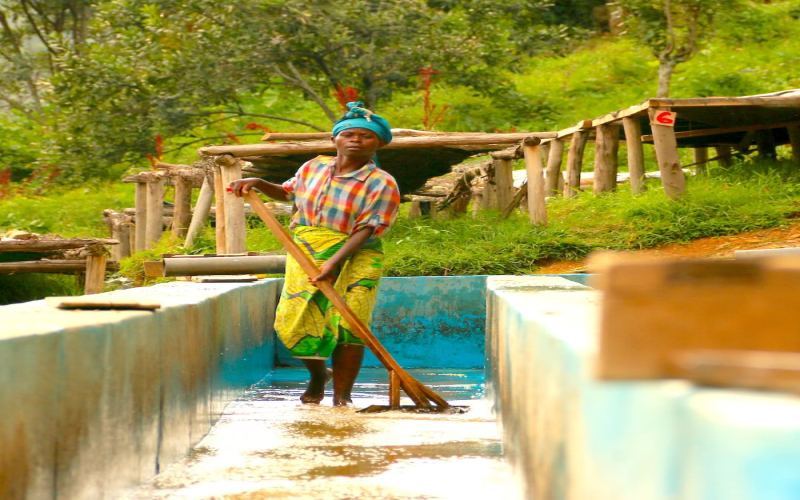
A Complete Guide to Rwanda Coffee Bean Grading, Varieties, and Origins: Bourbon, Washed Processing, and Regional Flavor Profiles
Rwanda is located in central Africa. Though a small landlocked country, it is blessed with exceptional conditions such as high altitude and volcanic soil, giving rise to specialty coffee that is balanced in flavor, clean, and solid. This article systematically reviews Rwanda's coffee-growing environment, main producing regions, variety composition, washed processing methods, and grading system, and, combined with Front Street Coffee's cupping experience, presents the stylistic differences between Rwandan coffee and Kenyan coffee. Whether you are an enthusiast just getting into African beans or a professional wanting to gain a deeper understanding of the context of Rwanda's coffee industry, you will find clear and practical references here. [more…]
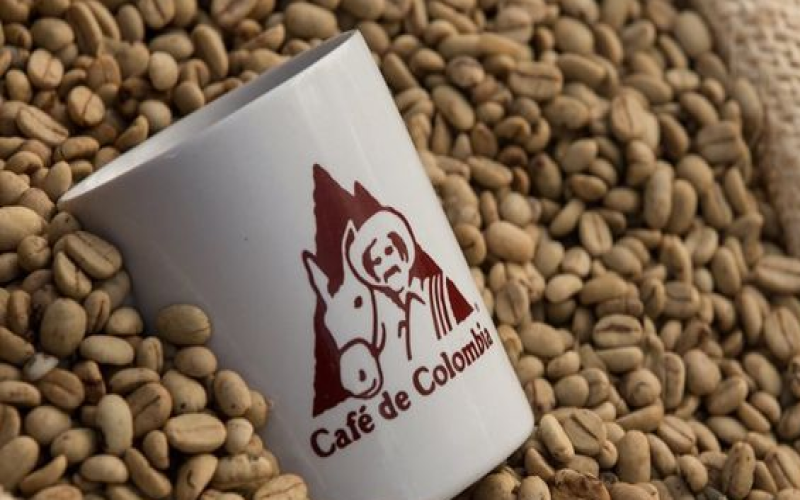
Complete Guide to Colombian Supremo Coffee Beans: From Regional Grading to Huila Washed Brewing
Colombian coffee, with the diverse terroirs of the Andes and refined washed processing, has become a force that cannot be overlooked on the global specialty coffee map. From the classic image of Juan Valdez to the rising specialty regions of Huila in the south, from raw bean screen-size grading to the Excelso export standard, this article systematically sorts out the origin characteristics, processing methods, and grading system of Colombian coffee. At the same time, Front Street Coffee uses a Huila washed everyday drinking bean as an example to share brewing parameters and flavor performance under medium-dark roasting, taking you through a comprehensive understanding of the core charm of this South American coffee powerhouse. [more…]
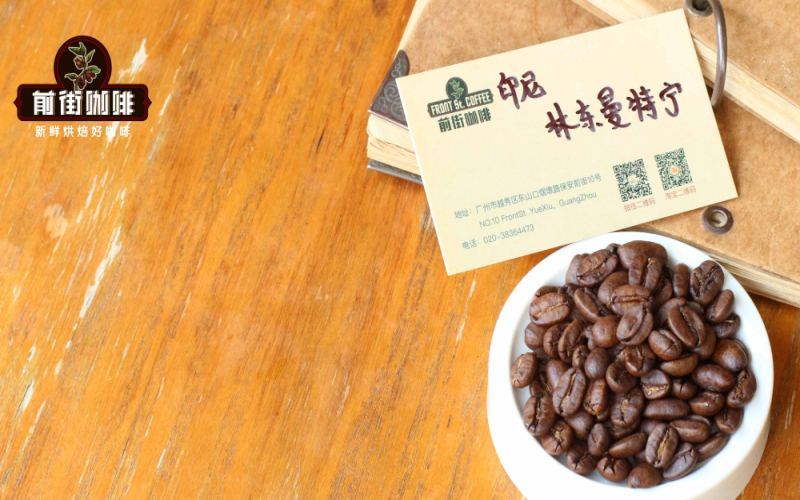
In-depth analysis of Indonesian Mandheling coffee: differences between specialty and Golden grade, and the flavor characteristics of 18-mesh PWN beans
Front Street Mandheling coffee is known for its full-bodied taste and herbal, cocoa flavors, but many friends who are just getting into single-origin coffee wonder: why is it so bitter? In fact, high-quality Mandheling is not a monotonous bitterness, but a blend of slight acidity with dark chocolate and herbal aromas—easy to drink and never cloying. Starting from Front Street Coffee's cupping experience, this article sorts out Mandheling's regional origins, varietal differences, and wet-hulling processing, focusing on comparing Front Street Lintong Mandheling and Front Street PWN Golden Mandheling in terms of grade, flavor, and mouthfeel, and includes pour-over parameter suggestions to help coffee lovers gain a more comprehensive understanding of this representative Indonesian coffee. [more…]
A Complete Guide to Colombian Coffee Flavor Profiles and Regions: A Practical Brand Selection Guide
Colombia is the world's third-largest coffee producer and the largest exporter of Arabica coffee beans. Its geographic proximity to Brazil and Panama has closely linked it to high-quality coffee. Three branches of the Cordillera mountains run north to south, and the high altitudes and volcanic ash soil give rise to coffee with unique flavors. This article will guide you through the differences between Colombia's commercial and specialty coffee regions, help you master green bean grading standards, avoid purchasing pitfalls, and get to know the fruity aroma, chocolatey sweetness, and caramel finish of Front Street Colombia coffee. [more…]
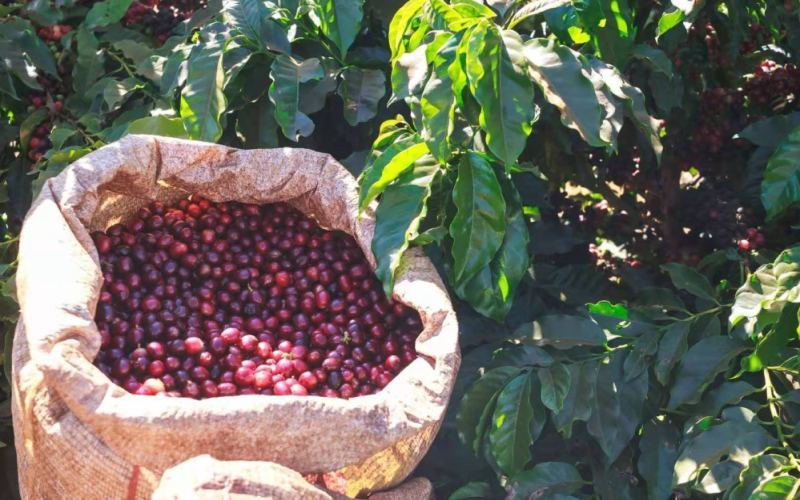
Brazil Cerrado Coffee NY.2 Grade Explained: A Complete Guide from Origin and Variety to Cupping Flavor
Brazil, as the world's largest coffee producer, is known for the coffee beans from the Cerrado region in the central-west of Minas Gerais, which are celebrated for their mild flavor and consistent quality. Among Front Street Coffee's daily drinking bean series, the Brazil Cerrado Red Bourbon has won the favor of many coffee lovers with its rich, smooth body and intense chocolate and nutty flavors. This article will systematically review the terroir conditions of the Cerrado region, the characteristics of the Bourbon variety, and the semi-washed processing method, and will further analyze the three major grading dimensions of Brazilian green coffee—defect ratio, screen size specifications, and cup profile—to help readers thoroughly understand the complete meaning behind the label "Brazil NY.2SC – 17/18 FC Cerrado," along with the brewing parameters and flavor tasting notes from Front Street Coffee's baristas. [more…]
Interpreting Colombian Specialty Coffee Grading Standards: From Excelso Export Grade to Huila Region Flavor
Colombia, with the superior terrain and diverse climate of the Andes Mountains, has become an important origin of high-quality Arabica coffee worldwide. Starting from the role of FNC, this article will systematically sort out the screen-size grading system for Colombian green beans—the relationship between UGQ, EP, Supremo, and Excelso export grades—and analyze the terroir characteristics and washed processing methods of the Huila producing region. At the same time, Front Street Coffee uses a medium-dark roasted Huila everyday coffee as an example to share brewing parameters and flavor performance, taking you from the cup to experience the classic, sweet, and mellow charm of Colombian coffee. [more…]
How Exactly Is Golden Mandheling Defined? A Comprehensive Interpretation from PWN Certification to Front Street Coffee Cupping Flavor
Golden Mandheling is one of the flagship Indonesian specialty coffees, yet the market is flooded with Mandheling products bearing the name "Golden," while only a handful truly meet the standard. This article begins with the background of the PWN company to clarify the correct definition and certification standards of Golden Mandheling, explaining its core requirements such as G1 grade, 18-mesh-and-above screen size, and triple hand sorting. It also shares the flavor differences between Front Street PWN Golden Mandheling and Lintong Mandheling in cupping, helping coffee enthusiasts accurately identify authenticity and make suitable choices based on personal taste preferences. [more…]
Colombian Coffee Bean Grading Standards, Huila Washed Flavor Characteristics, and Brewing Parameter Guide
Colombian coffee, with its soft berry acidity, roasted nut aroma, and caramel sweetness, has become a favorite among many pour-over beginners. As the world's second-largest Arabica producer, Colombia's volcanic soil and high-altitude microclimates give its coffee beans a full, solid mouthfeel. This article will systematically sort out the grading system for Colombian green beans—how many screen sizes Supreme, EP, and U.G.Q correspond to respectively, clarify the common misconception that Excelso is not a grade but an export standard, and introduce the flavor profile of washed beans from the Huila region along with Front Street Coffee's recommended V60 three-pour brewing method, helping coffee lovers experience the unique charm of Colombian coffee at an affordable cost. [more…]
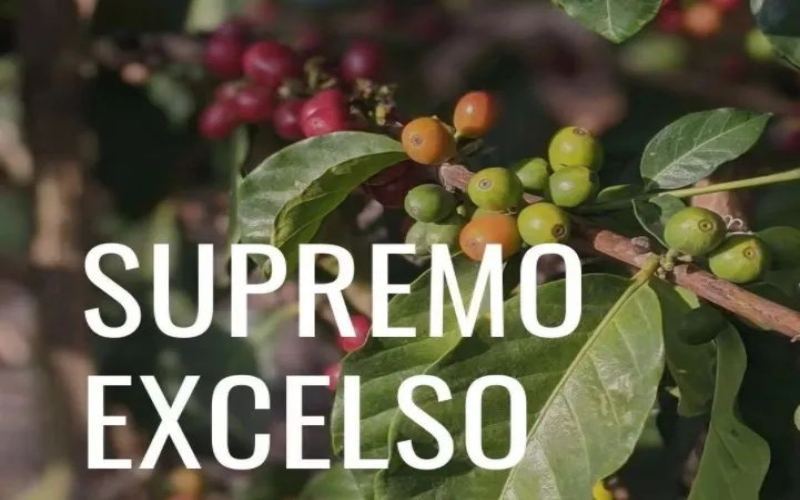
How Are Colombian Green Coffee Beans Graded? A Detailed Explanation of Supremo and Excelso Screen Size Standards and Defect Tolerances
Colombia is a major producer of global Arabica coffee, and its green bean exports follow a grading system centered on defect rates and bean size. What exactly do the Supremo and Excelso labels commonly seen on the market represent? Starting from FNC's export standards, this article sorts out Excelso's mandatory requirements, the logic behind screen-size grading, and the specific tolerance rates for the three commonly used grades UGQ, EP, and Supremo, while also explaining the defect scoring rules behind the number string "12*60," helping coffee enthusiasts decipher the grading code in the names of Colombian green coffee beans. [more…]
The Complete Guide to Brewing Coffee with a French Press: A Detailed Analysis of Grind Size, Water Temperature Range, and Coffee-to-Water Ratio
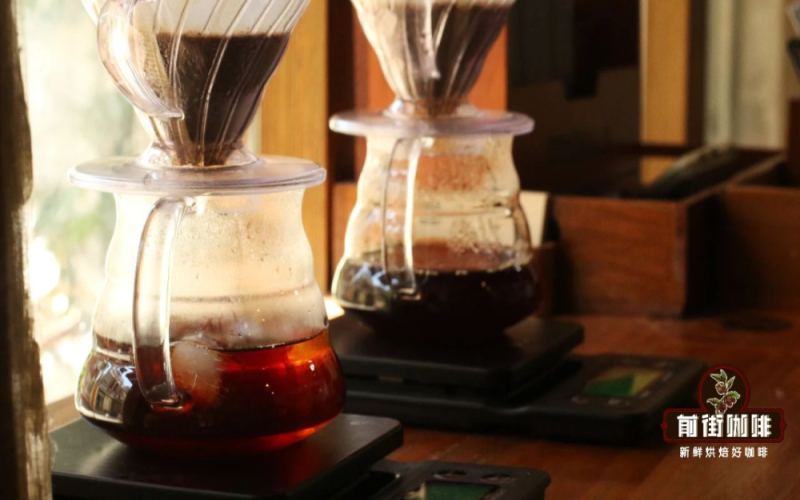
The French press is also called a French filter press, and because it is easy to operate, it is also known as the lazy person's pot. It originated in France around 1850. It uses a heat-resistant glass body combined with a metal filter mesh plunger, which can relatively completely preserve the coffee's oils and aroma, producing a thick and rounded mouthfeel. Compared with pour-over and siphon, the French press makes it easier to reproduce stable flavors and is very beginner-friendly. This article, based on recommendations from Front Street Coffee, introduces medium-dark roasted beans suitable for the French press, and explains step by step operational details such as a coffee-to-water ratio of 1:14 to 1:18, water temperature of 85 to 95°C, coarse grinding like the coarseness of brown sugar, and a 4-minute steep, helping you easily make a delicious cup of French press coffee. [more…]
A Complete Guide to Kenyan Specialty Coffee Bean Grades: AA, AB, and PB Grading Standards and Flavor Evaluation System
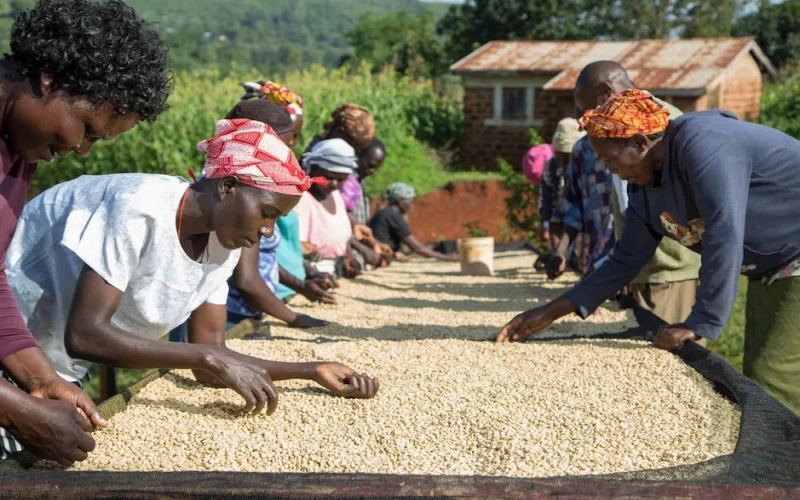
Kenyan coffee is renowned for its bright fruit acidity and solid sweetness. Behind this highly recognizable flavor profile lies a strict grading system that has been in use for nearly a century. Since the 1930s, Kenya has established grade classifications based on coffee bean size, shape, and hardness, while also incorporating flavor grade assessments to provide a double safeguard for green bean quality. What exactly do common grades like AA, AB, and PB represent? What do AA+ and TOP AA mean respectively? This article systematically sorts out the grading logic of Kenyan coffee, the screen sizes corresponding to each grade, and uses Front Street Coffee's own roasted Kenyan Asaliya coffee beans as an example to share their origin background, processing method, and brewing suggestions, helping coffee enthusiasts more clearly understand the quality framework of Kenyan coffee. [more…]
Analyzing Mandheling Coffee Bean Flavors: What Exactly Is the Difference Between PWN Golden Mandheling and 20-Mesh Golden Mandheling?
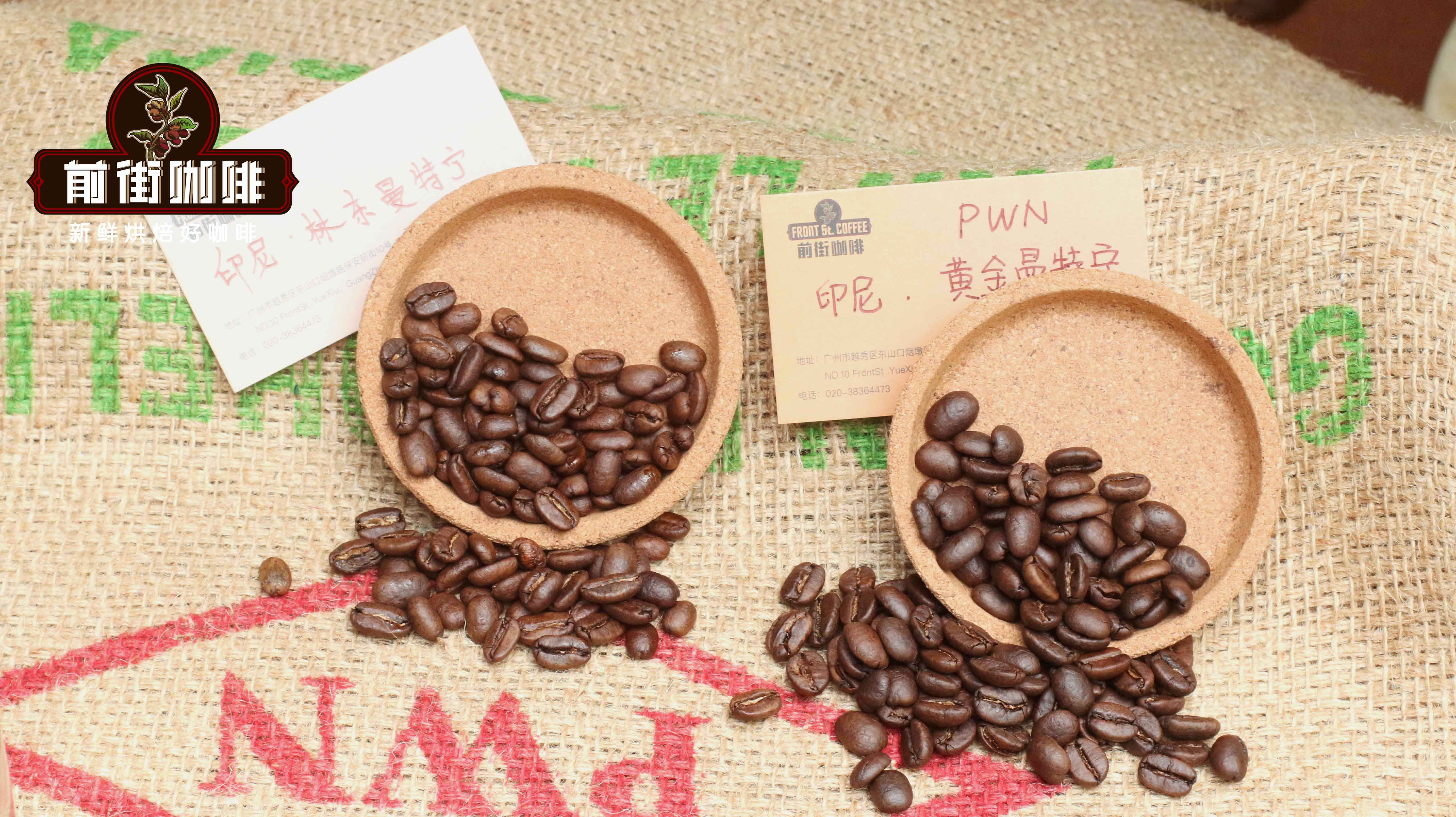
Mandheling coffee, with its rich, full-bodied taste and herbal, pine, and spice notes, has long been prized by seasoned coffee enthusiasts. However, full-bodied does not mean bitter; when a coffee's body reaches a certain level, a sweet aftertaste reminiscent of cane sugar or brown sugar emerges instead. There are many beans on the market marketed under the banner of "Golden Mandheling," yet their prices and quality vary widely, and the most easily confused among them are authentic PWN Golden Mandheling and the large-bean Mandheling advertised as "20 mesh." This article focuses on Front Street Indonesian Mandheling and Front Street PWN Golden Mandheling—their origins, screening standards, and cupping performance—to help you understand what true Golden Mandheling really is, and how it differs fundamentally from so-called 20-mesh Mandheling. [more…]
A Comprehensive Analysis of Colombian Coffee Bean Flavor Characteristics, Growing Conditions, and Green Bean Grading Standards
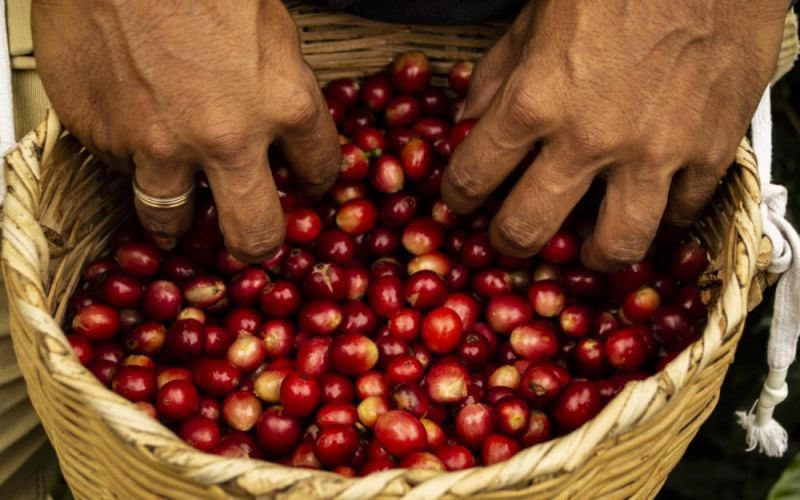
Colombian coffee, with its broad versatility, holds a place in both blending and single-origin fields, capable of handling the richness of a French press while also meeting everyday consumer needs. This article starts from the development thread, sorting out the producing regions, flavor characteristics, and growing conditions of Colombian coffee, explaining in detail the influence of the Central Cordillera and southern soils on coffee quality, and systematically introducing raw bean grading standards such as Excelso and Supremo. Finally, it presents two recommended bean selections—Front Street Coffee Washed Huila and Front Street Coffee Specialty Blend—suitable for pour-over, espresso, and various other brewing methods, helping enthusiasts gain a comprehensive understanding of the key points for purchasing and tasting Colombian coffee. [more…]
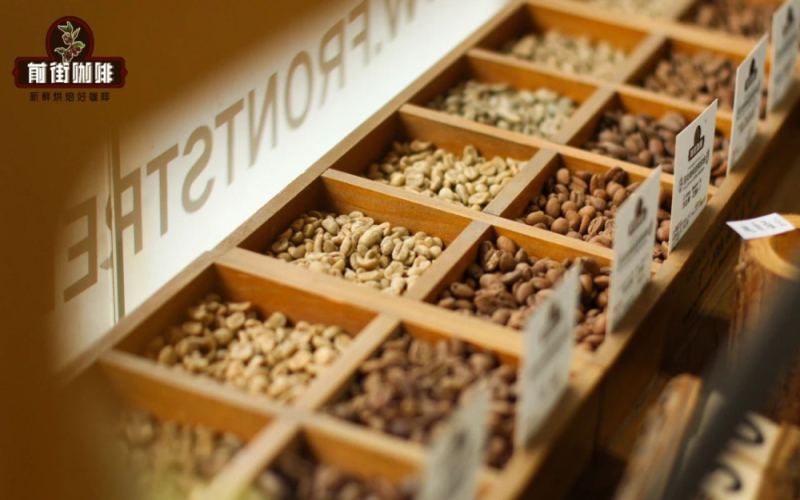
How Are Green Coffee Beans Graded? A Detailed Explanation of the Grading Systems in Major Producing Countries Such as Ethiopia and Kenya
When selecting coffee beans, you often see labels like Yirgacheffe G2 and Kenya Washed AA. These letters and numbers actually represent the grade of green coffee beans. Different producing countries grade green coffee beans based on different criteria, usually assessed comprehensively from dimensions such as bean size, defect count, growing altitude, bean hardness, and cupping score. Understanding these grading rules helps more accurately judge a bean's quality positioning and flavor potential. This article will use representative producing countries such as Ethiopia, Kenya, Tanzania, Colombia, Brazil, and Jamaica as examples to sort out their respective grading logic and naming methods, while retaining relevant product information from Front Street Coffee for coffee enthusiasts' reference. [more…]
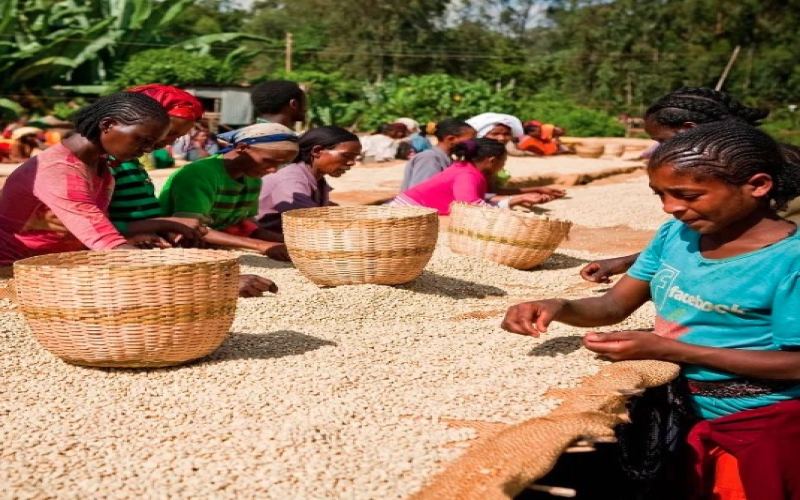
Coffee Grading | What are AA and AB in Kenya? What is the difference between AA TOP and AA?
Previously, we talked about the coffee grading in Ethiopia. Today, let's take a look at what the coffee grading in Kenya is like! After all, when we see Kenyan coffee, we will see things like AA and AB. What exactly do these refer to? What is AA TOP? [more…]
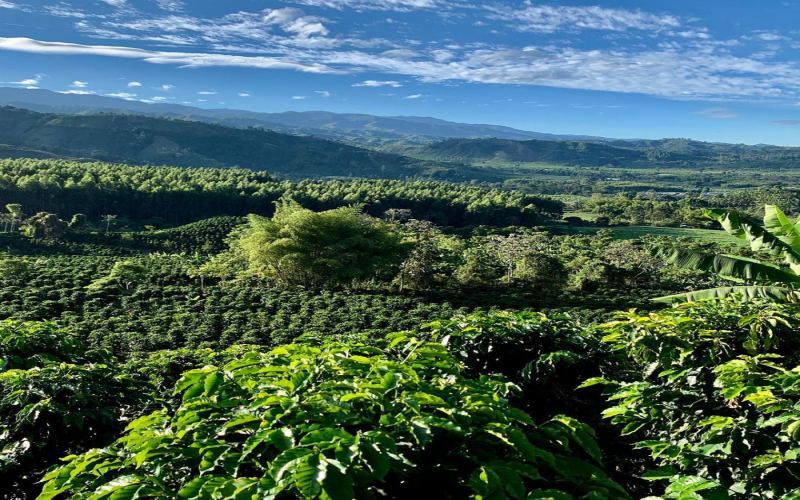
How Are Colombian Green Coffee Beans Graded? Looking at Huila Washed Caturra Through Defect Rate and Screen Size
Colombia's coffee grading system is more complex than that of most Central American producing countries. It is based not only on altitude, but also on a set of export standards built around defect rates and screen size. The Excelso grade adopted by the FNC is the highest export grade for Colombian green coffee. The burlap sacks are marked with "Excelso-Café de Colombia" and accompanied by a quality certificate. This article covers everything from the grading logic, screen size requirements, and defect deduction rules to the three most common export grades, and uses a washed Caturra from the Huila region as an example to explain green coffee traceability and cupping flavor performance, helping coffee enthusiasts understand the meaning behind Colombian green coffee labels. [more…]